BLOGBAZAR
1.
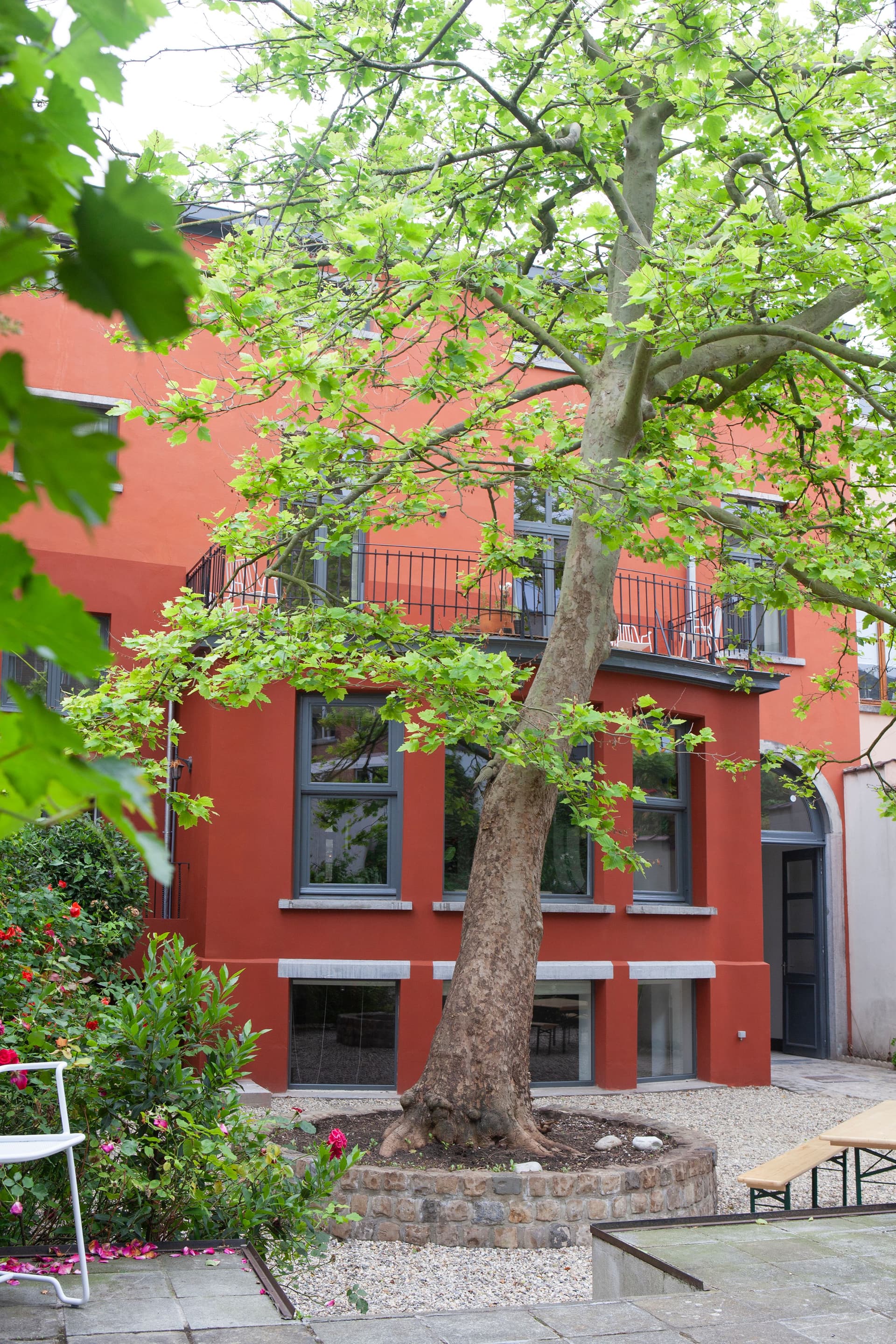
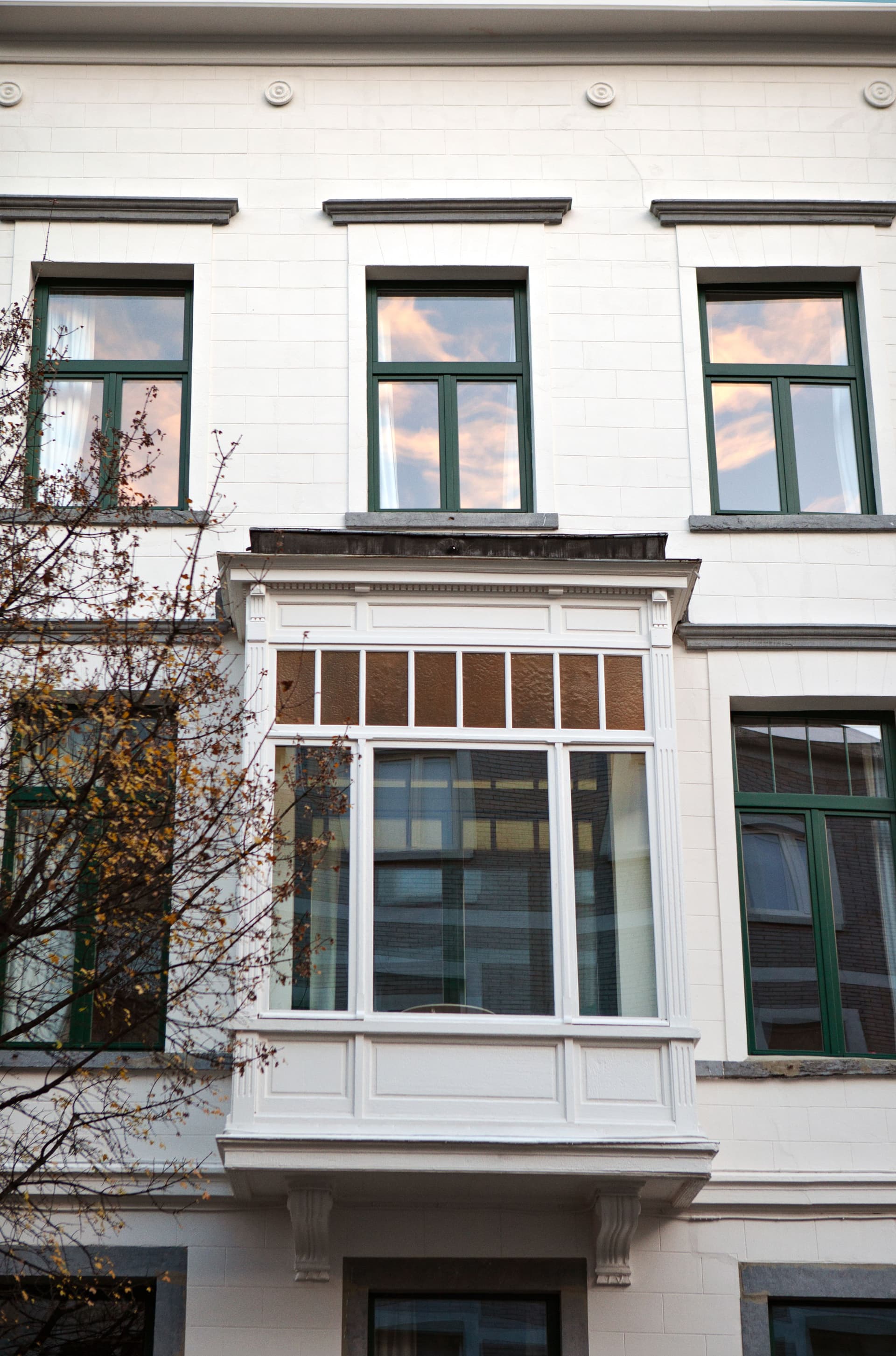
Brussels is a city you rarely understand at first glance. It doesn’t announce itself with one single skyline or one dominant style. Instead, it reveals itself through details: a curve of ironwork above a doorway, a façade that changes rhythm from one street to the next, a townhouse that holds more light and depth than you’d expect from the outside.
This is what makes Brussels quietly exceptional. The city is not built around a single architectural identity, but around layers — Art Nouveau, Art Deco, early modernism, postwar additions — all stitched into the same urban fabric. If you live here long enough, you start noticing how architecture shapes not only the streets, but the way daily life unfolds inside them.
At Neybor, we treat architecture as more than a setting. It’s the framework that determines how a home breathes, how it flows, and how it supports shared living without friction. Coliving, when done thoughtfully, isn’t placed on top of Brussels — it grows naturally out of the city’s houses.
Why Brussels architecture feels different
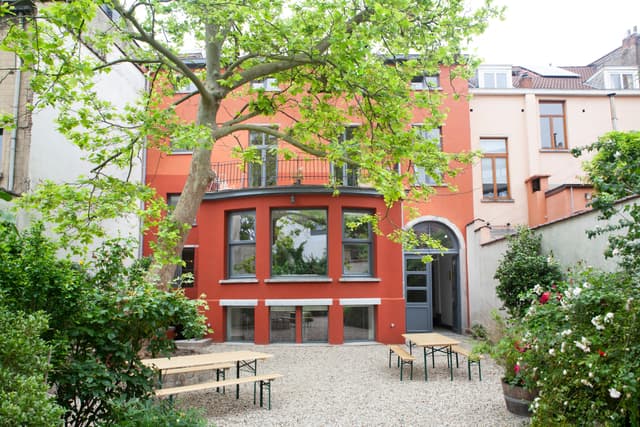
In many European cities, architectural identity is concentrated: a historic center preserved, a few dominant styles repeated at scale. Brussels is different. Its growth has been incremental, sometimes chaotic, but incredibly fertile. Over time, this created neighborhoods that are human in scale, richly textured, and full of homes designed with depth — often literally, in the form of long, narrow townhouses with multiple levels, high ceilings, and generous stairwells.
That typology matters. Brussels townhouses were never designed as minimal boxes. They were designed to host life: family routines, guests, transitions between public and private spaces. That spatial logic is one of the reasons why Brussels is so well suited to contemporary coliving. The bones are already there — what matters is how you respect them.
Art Nouveau in Brussels
Art Nouveau is often described as Brussels’ signature contribution to European architecture, and for good reason. Here, the style wasn’t just imported; it was developed and refined. What makes Art Nouveau so distinctive is that it treats architecture as a continuous gesture. Instead of rooms stacked like separate containers, you get sequences of spaces that feel connected. Light is guided, not just allowed. Decorative elements often carry structure, and structure often becomes ornament.
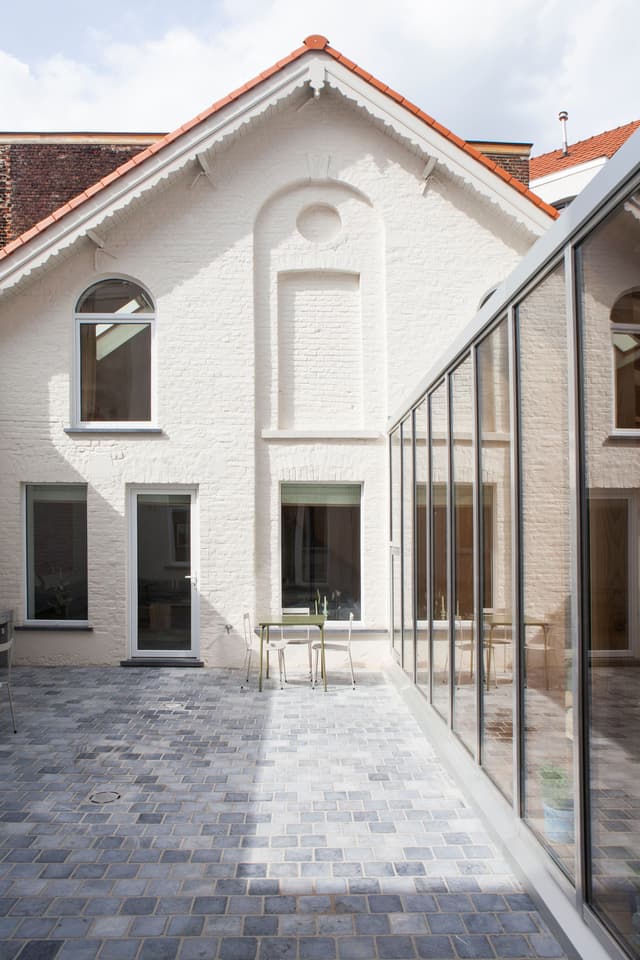
When you walk through neighborhoods like Ixelles or Saint-Gilles, you’ll notice how often Art Nouveau façades feel alive. Lines soften. Materials become expressive. The city feels more tactile. And inside, many of these houses were designed around circulation and light wells that still make sense today.
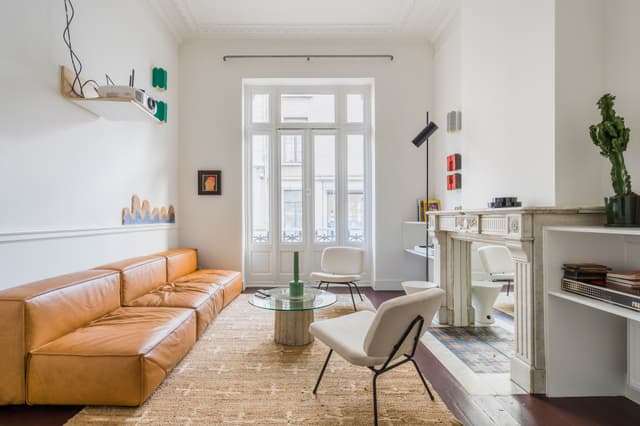
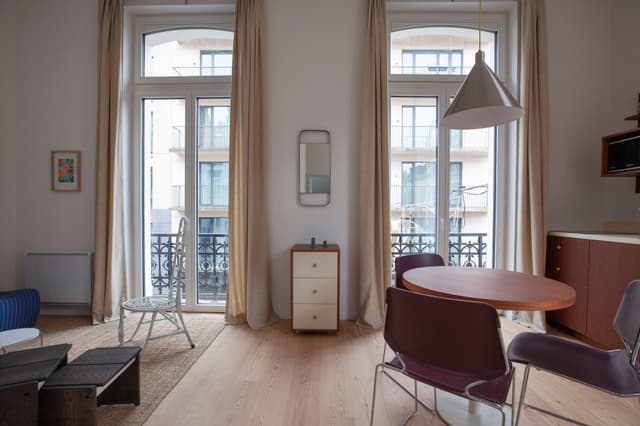
For coliving, this matters in a very practical way. A home that is naturally bright, that has rooms connected by gentle transitions rather than harsh partitions, tends to feel calmer even when shared. When you renovate these houses with restraint, you don’t have to force comfort into them. You simply reveal what was already intended.
At Neybor, this is the balance we look for: keeping the character without turning it into decoration. The goal is not to “show” Art Nouveau, but to let it quietly support everyday life.
**Art Deco in Brussels
**
If Art Nouveau is the city’s flowing language, Art Deco is its sense of rhythm. Art Deco arrived with a different temperament: more structured, more geometric, more restrained. It often replaces the softness of curves with stronger lines, clearer symmetry, and a kind of architectural confidence that feels grounded.
In neighborhoods like Etterbeek and Schaerbeek, you find many buildings where proportions do the work. There’s less ornamental flourish, but more order. Entrances feel framed, windows repeat in measured patterns, and materials carry a sense of durability. Inside, the layouts are often clear and efficient, which makes these homes particularly adaptable for modern living.
For coliving, Art Deco houses offer something important: legibility. When people share a home, clarity helps. It helps you understand where you are, what belongs to whom, how to move without crossing into someone else’s space. It’s a subtle thing, but it’s one of the reasons why well-designed shared homes feel effortless.
**Why Brussels townhouses are naturally compatible with coliving
**
Brussels townhouses were built for a form of communal life. Not in the modern “coliving” sense, but in the sense that they were meant to host multiple people, multiple functions, and multiple rhythms under one roof. The house itself often already contains a logic of separation: quieter upper floors, more social spaces below, transitional zones in between.
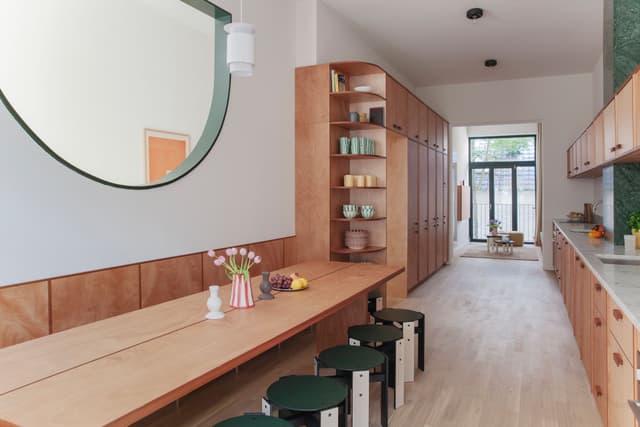
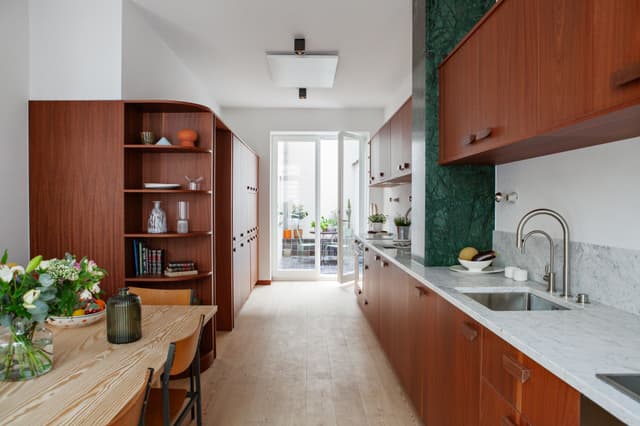
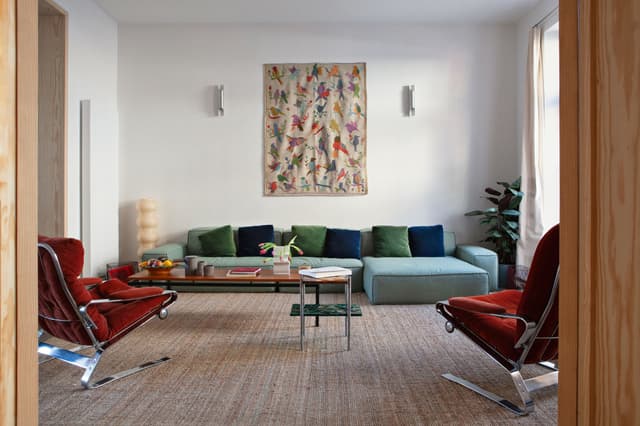
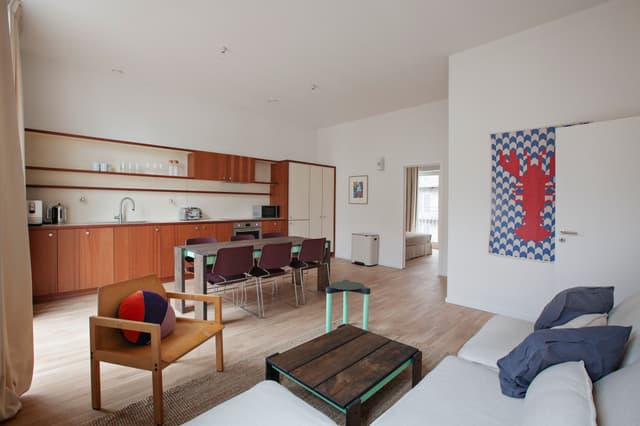
When this typology is respected, coliving becomes almost obvious. Bedrooms can remain private and calm. Shared spaces can feel generous rather than compromised. Circulation can be organized so that people cross paths naturally without being constantly “in each other’s way.”
The key is not to over-correct. Many renovations fail because they flatten the house into something generic — too many partitions, too much visual noise, too many design gestures trying to compensate for a lack of spatial intelligence. In Brussels, the intelligence is already present. What’s needed is careful editing.
**How Neybor renovates with architectural restraint
**
Neybor’s approach is deliberately quiet. We’re not trying to impress with design. We’re trying to create homes that make sense the moment you step inside.
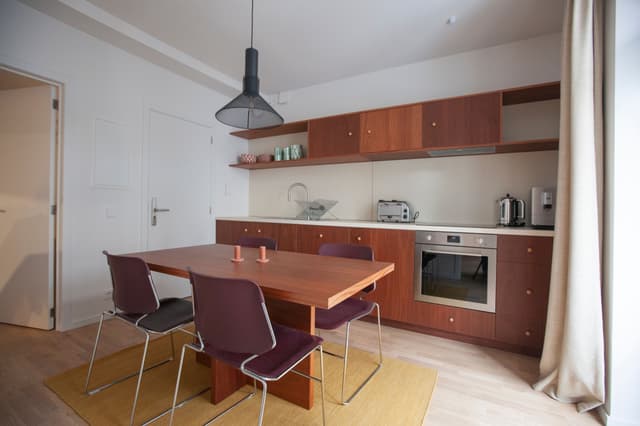
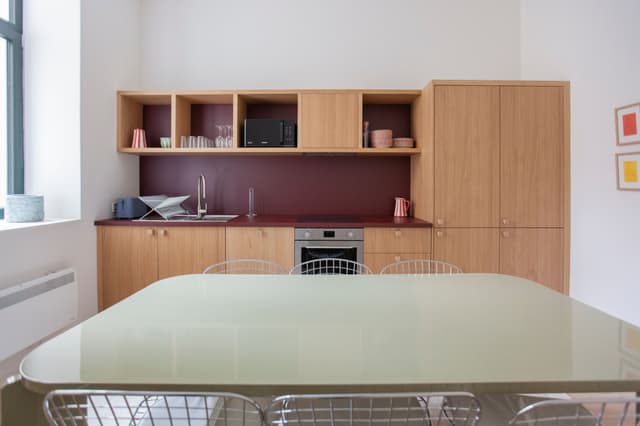
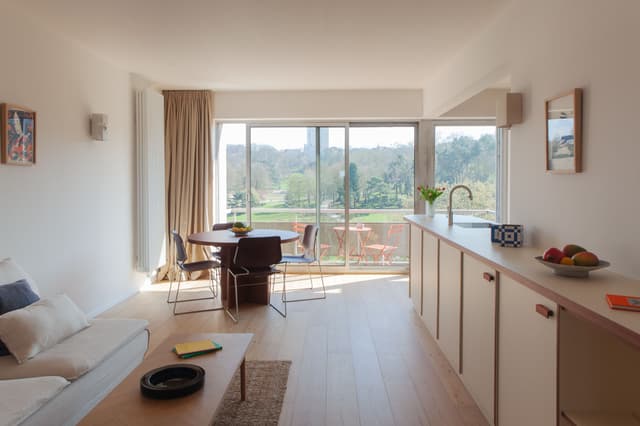
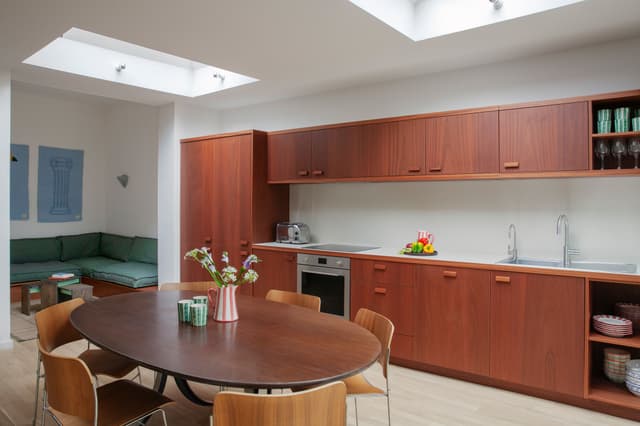
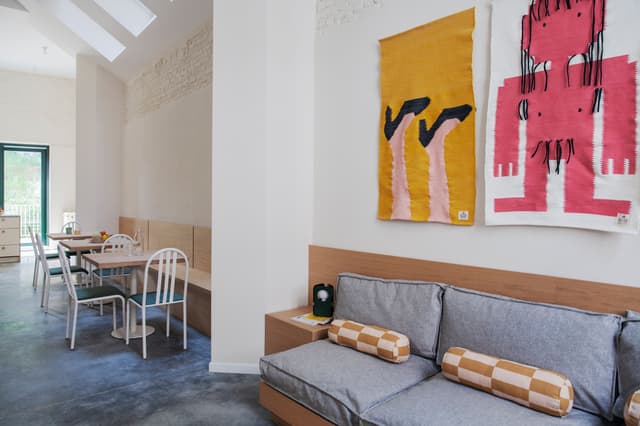
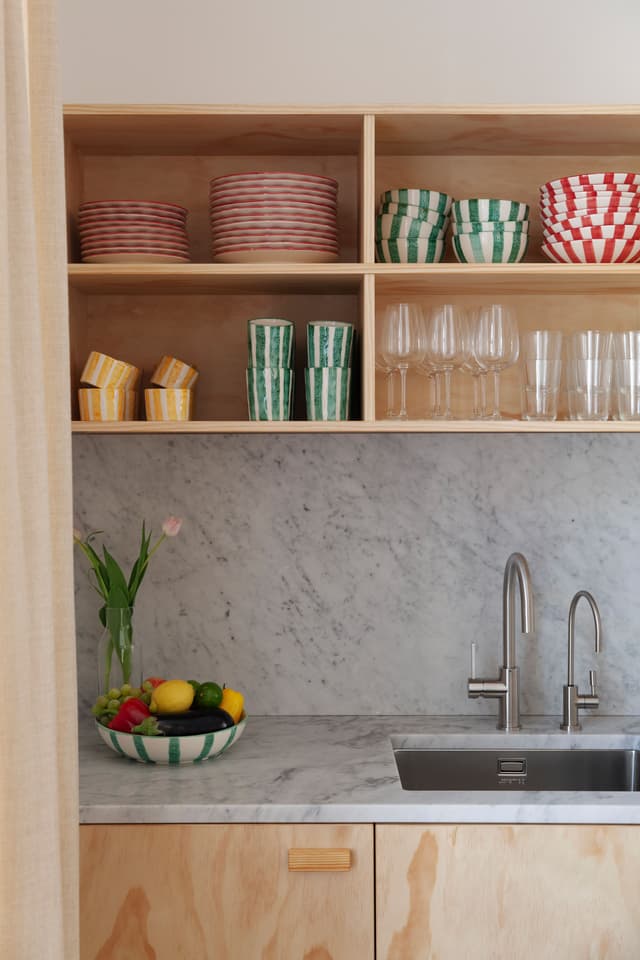
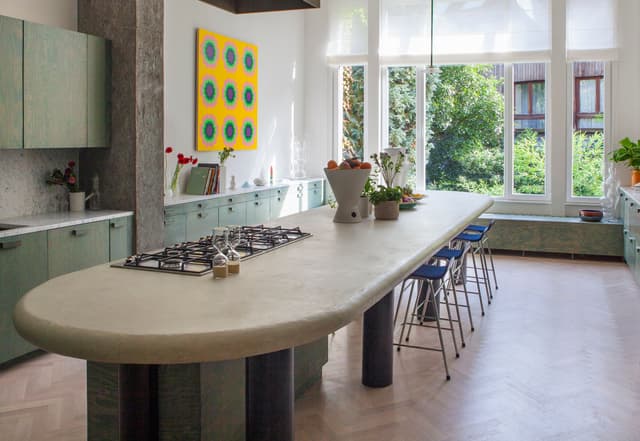
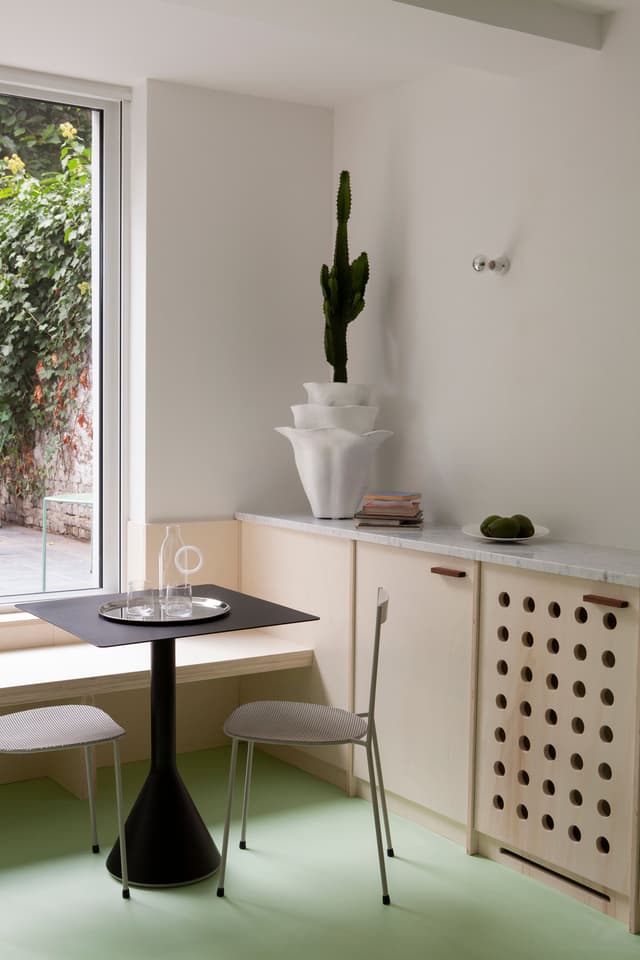
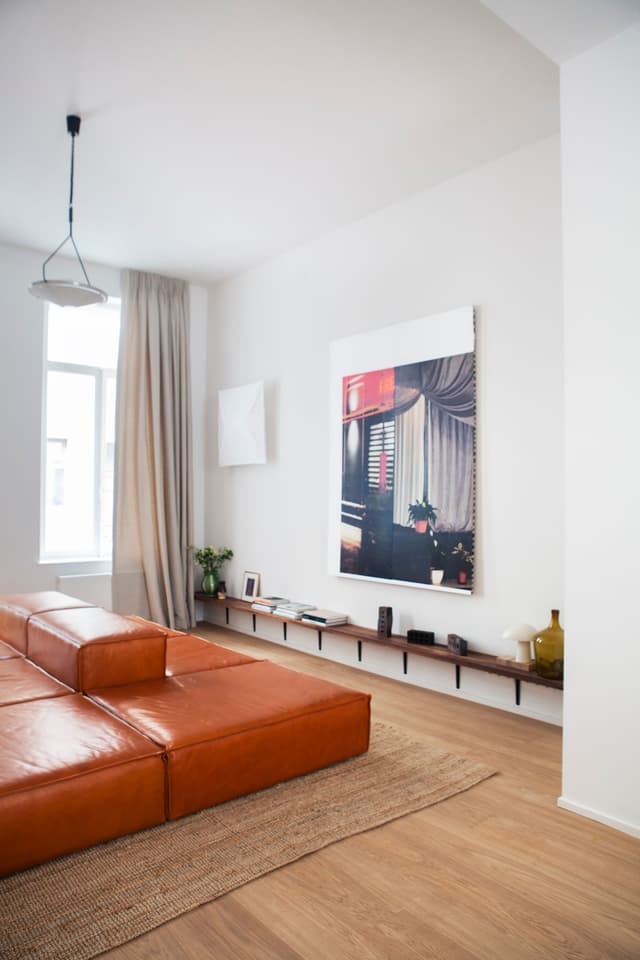
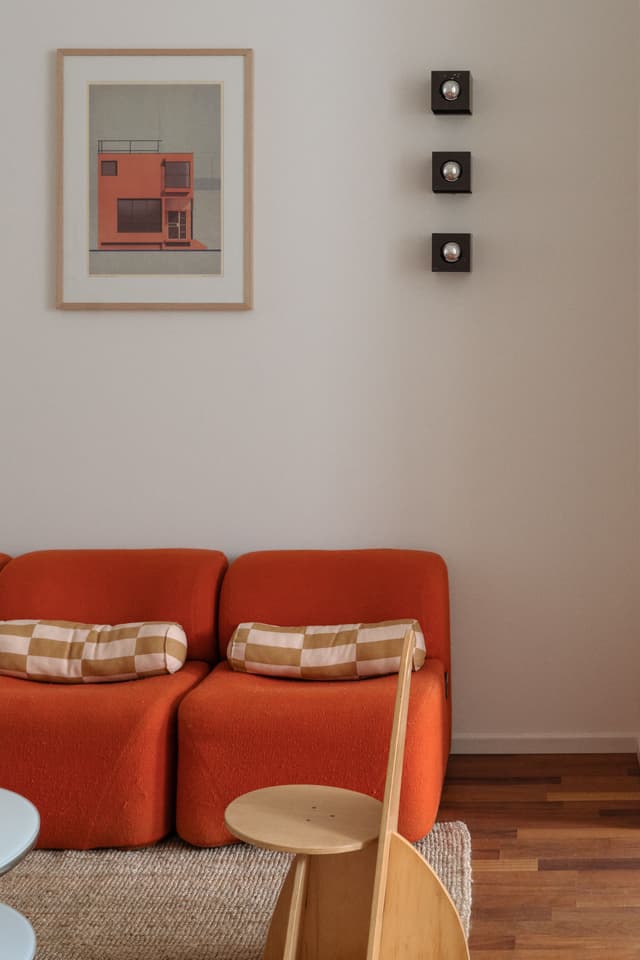
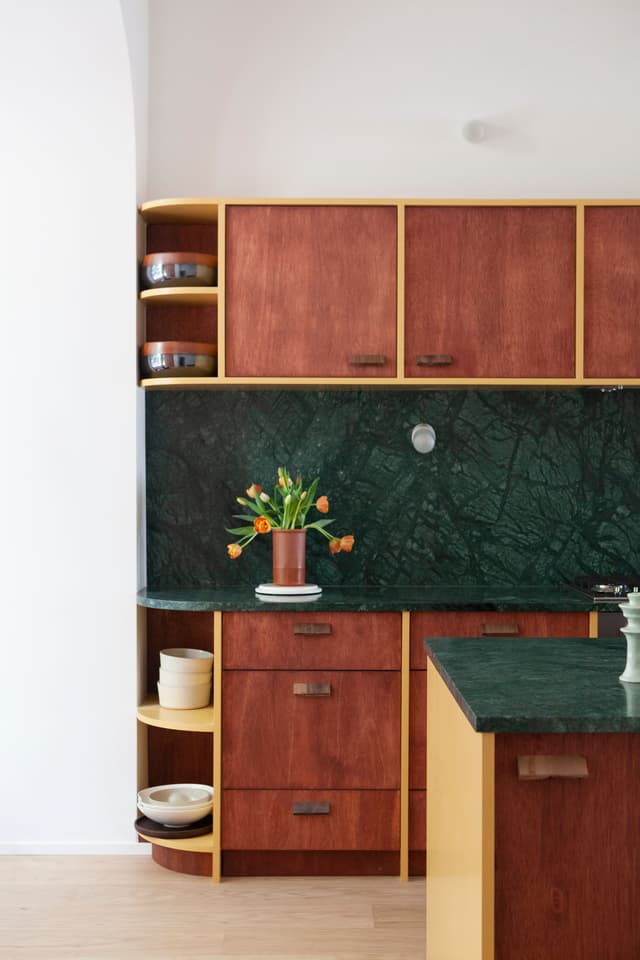
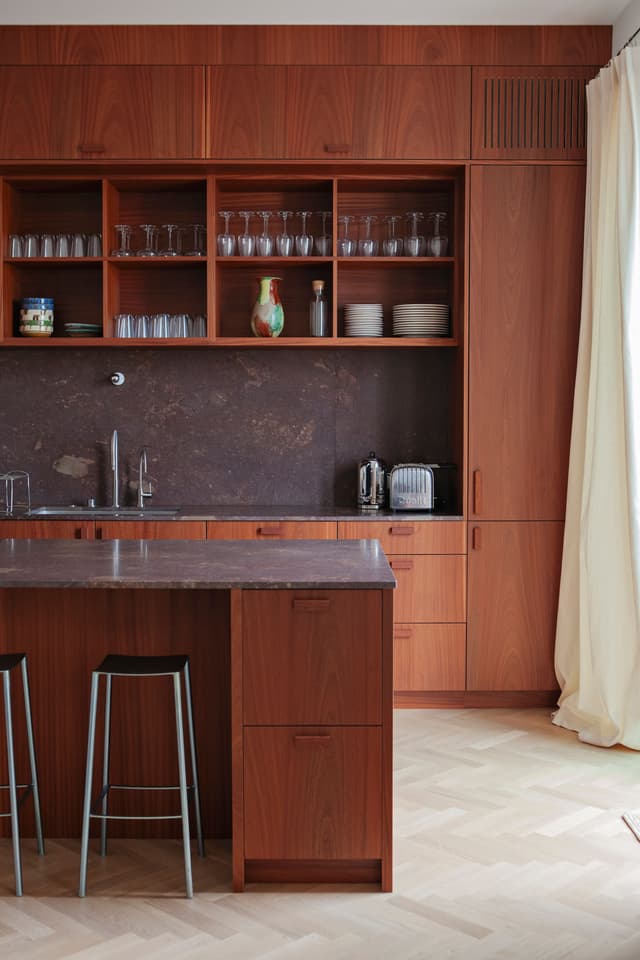
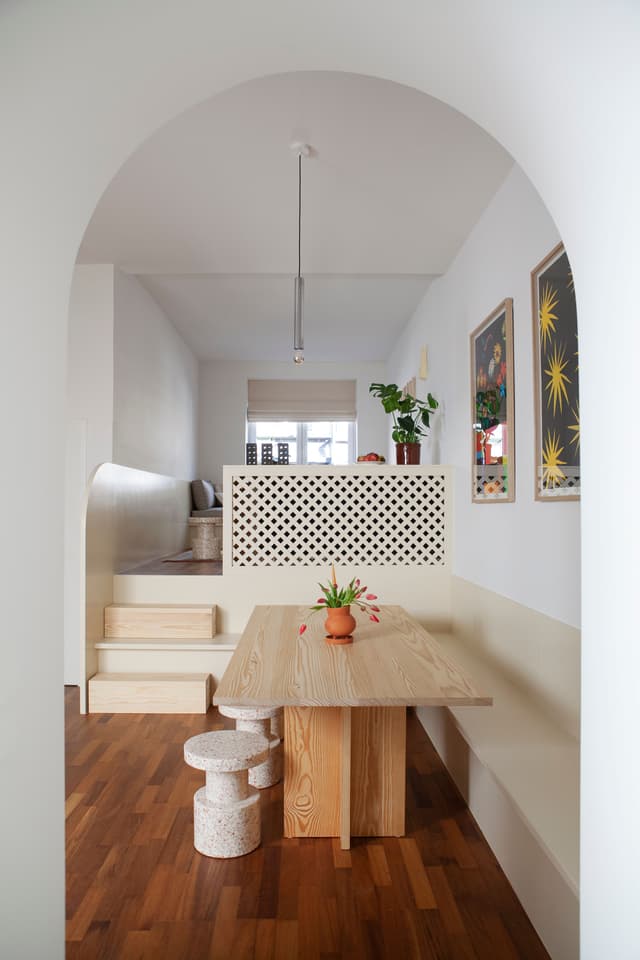
We pay attention to proportions, circulation, and the way light moves through the house across the day. We work with integrated carpentry because it brings order without clutter. We choose durable, timeless materials because shared living needs things that age well. And we aim for interiors that feel calm and coherent, so that the architecture can remain the main voice.
In practice, that means a Neybor home is designed to feel both personal and collective. You can close your door and fully recharge. You can open it and feel part of something without having to perform.
**Living in Brussels means living in architecture
**
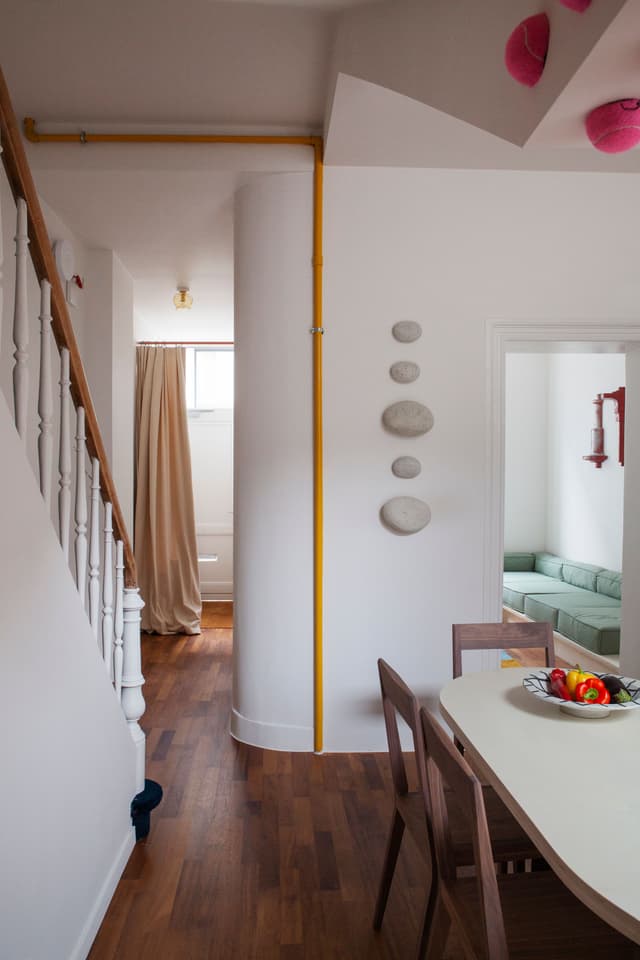
In Brussels, architecture is not an abstract subject. It’s part of daily life. It’s the staircase you take every morning. The façade you walk past every evening. The proportion of your window, the depth of your room, the quiet logic of how spaces connect.
That’s why coliving here can be more than convenience. In the right house, it becomes a lifestyle that feels grounded: modern urban living supported by a city built for human scale.
At Neybor, we don’t treat Brussels houses as containers. We treat them as living structures — and we build our coliving experience from that foundation.
You might also love

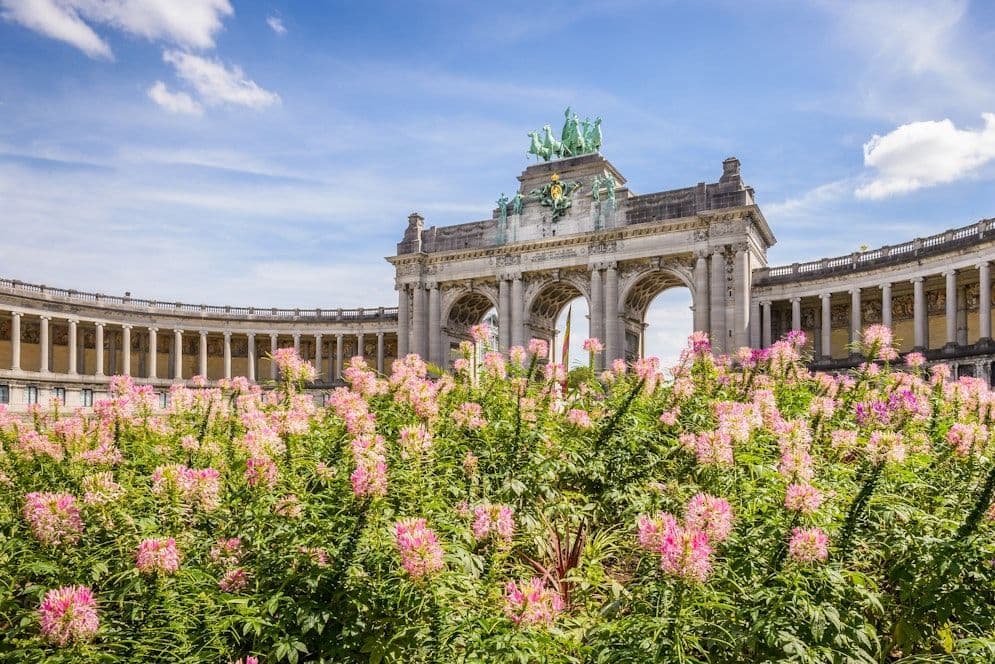
Brussels is officially described as a capital city — but it behaves more like a network of villages connected by green spaces. Parks play a central role in everyday life, especially for those living in dense urban neighborhoods. For Neybor residents, proximity to nature is a key part of smart urban living.
Read more