BLOGBAZAR
1.
Good practices for happy coliving in Brussels
When shared living feels like home. A short read before you move in.
Brussels has a rhythm of its own.
People arrive with suitcases, accents, and lives in motion. Some stay for a few months, others longer than expected.
Coliving in Brussels isn’t just about renting a room.
It’s about finding your place — in a house, in a city, in a community that forms quietly, day after day.
A shared home works when no one tries too hard, and everyone cares just enough.
Here are eight everyday habits that turn shared living into something easy, warm, and lasting.
Why coliving works so well in Brussels
Brussels is deeply international.
EU trainees, young professionals, consultants, creatives, researchers, digital nomads — many arrive alone, often knowing no one.
Coliving creates an immediate sense of grounding.
Not forced. Not performative. Just real life, shared.
You don’t share everything.
You share moments: a late dinner, a quiet morning, a conversation that starts in the kitchen and ends somewhere else.
That’s where coliving becomes home.
1. Keep common spaces alive, not perfect
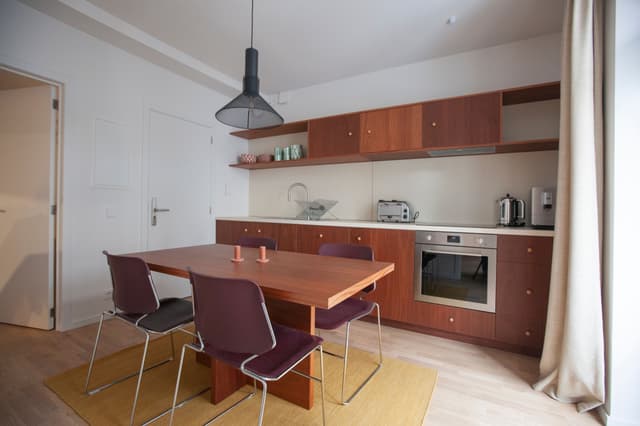
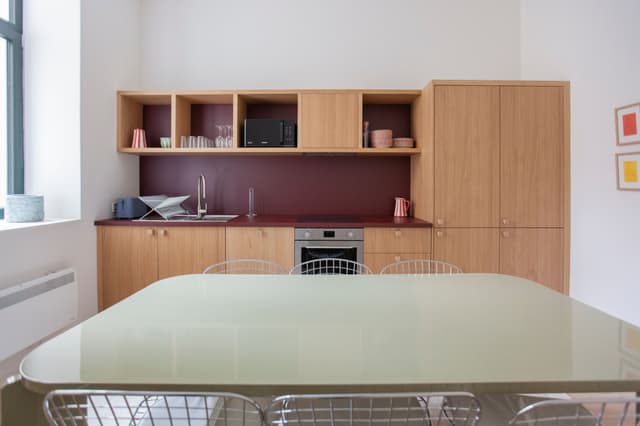
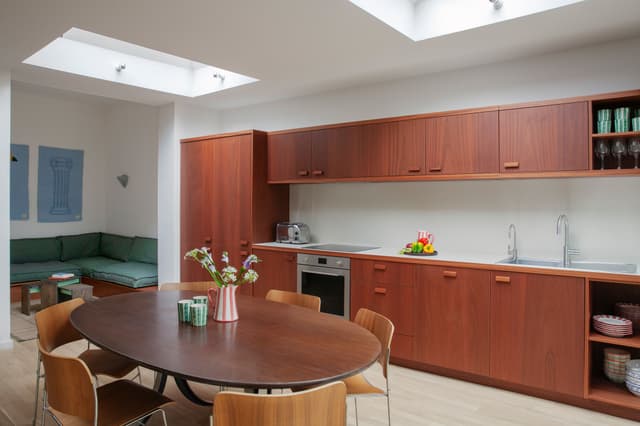
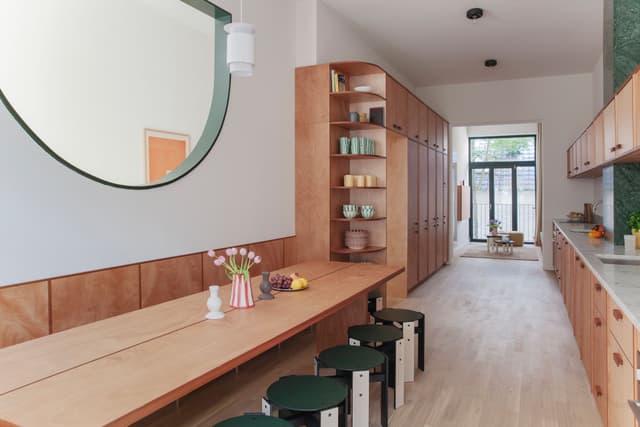
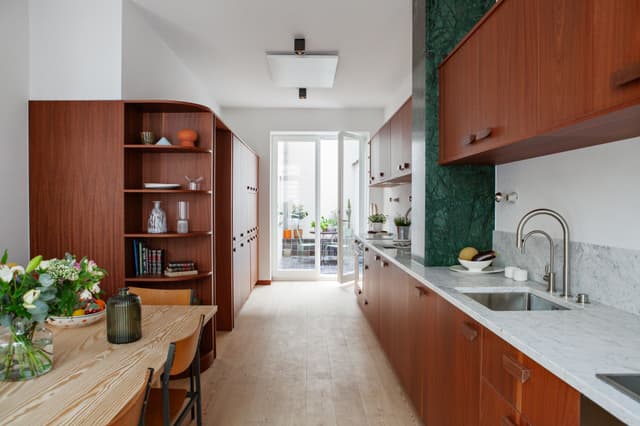
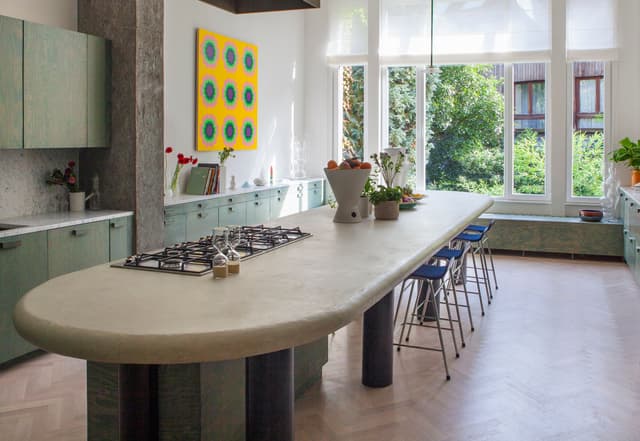
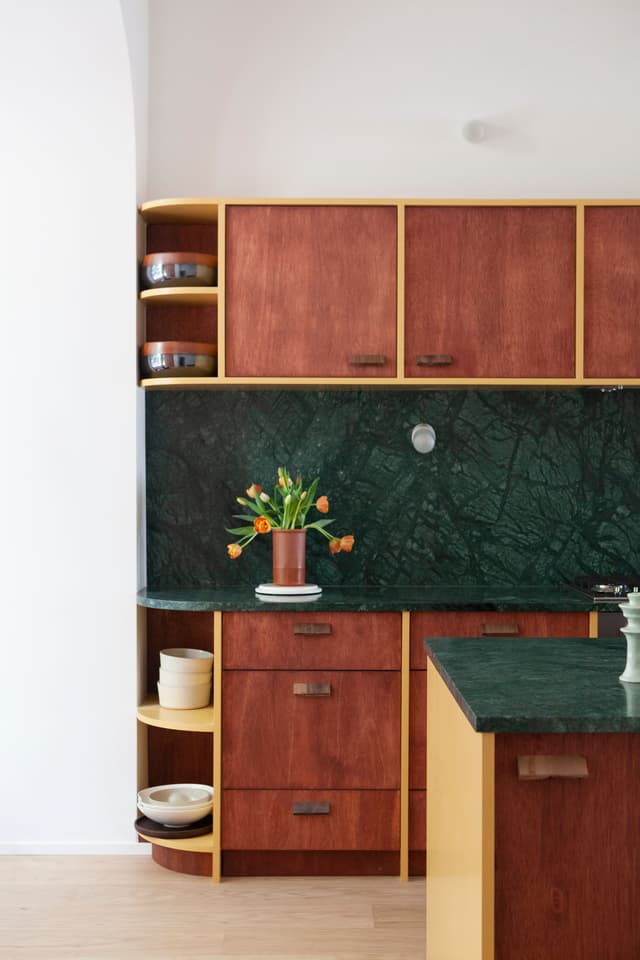
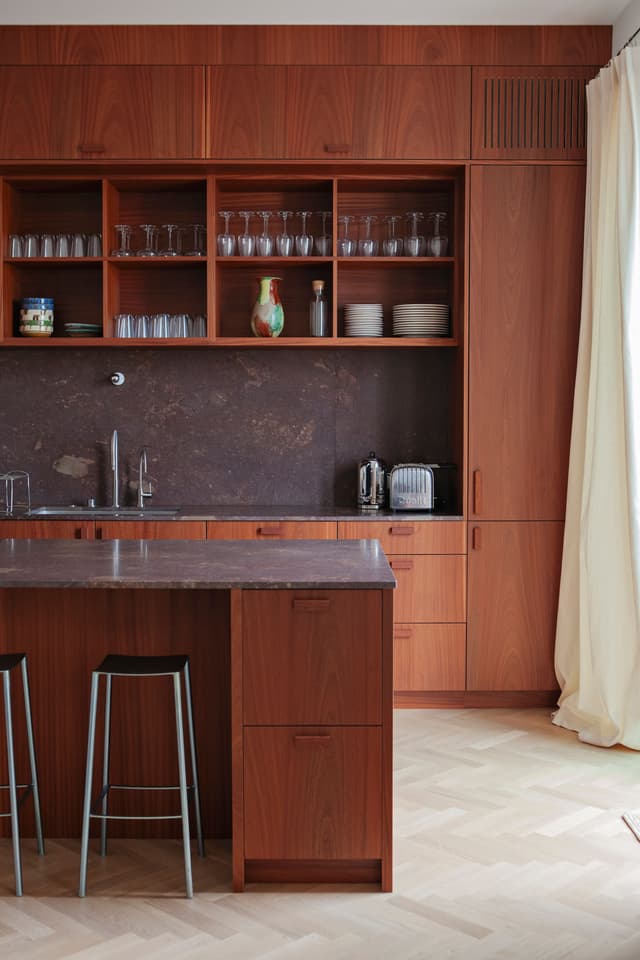
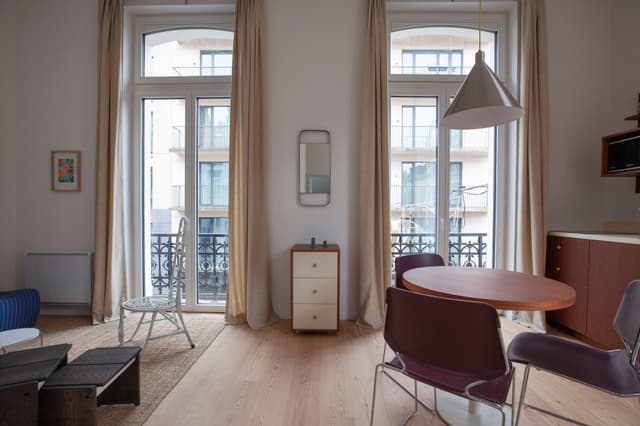
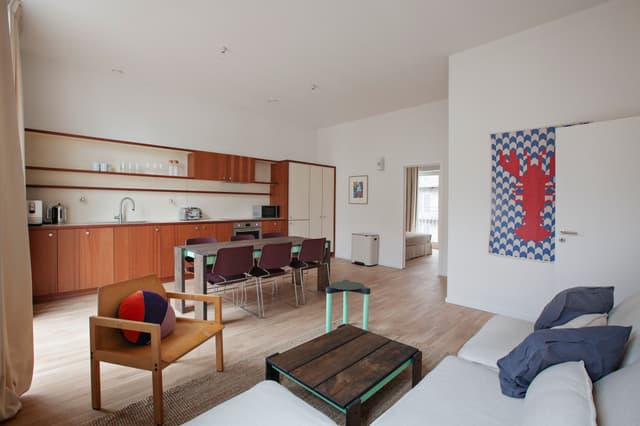
The kitchen is where life happens.
Someone cooking. Someone joining. Someone staying longer than planned.
A welcoming space doesn’t ask for perfection — it asks for attention.
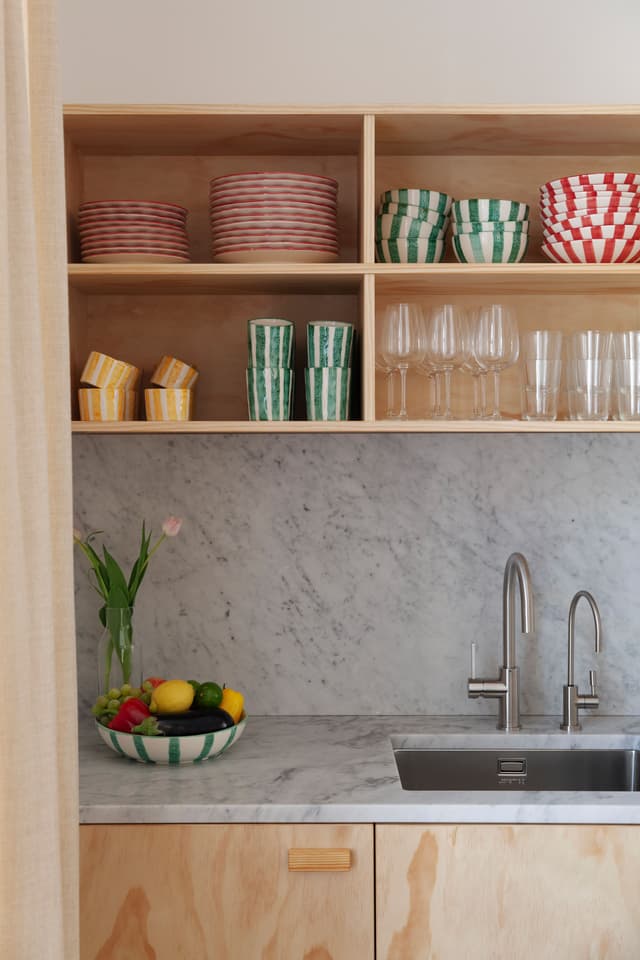
A few small gestures go a long way: dishes washed shortly after use, counters wiped, tables cleared, things put back where they belong, fresh air, a watered plant, a candle at the right moment.
When common spaces feel cared for, connection happens naturally.
2. Talk early, talk kindly
Coliving works best when communication feels light.
Most houses rely on a simple WhatsApp group:
“Anyone around for dinner?”
“Quick heads-up, a friend is coming by later.”
“Running low on coffee — I’ll grab some.”
When something needs adjusting, kindness matters more than correctness:
“Would it help if we kept the kitchen a bit clearer during the week?”
Clear, gentle communication keeps shared living fluid — and misunderstandings rare.
3. Respect rest and different rhythms
Brussels runs on many clocks.
Early mornings at EU institutions. Late nights in Saint-Gilles. Remote work. Long days. Quiet ones.
Lowering your voice at night.
Using headphones.
Closing doors softly.
These small attentions say: I see you.
Most shared homes naturally settle into a rhythm — calmer weekdays, looser weekends.
It’s not about rules. It’s about empathy.
4. Share what makes sense, keep what’s personal
Sharing makes coliving simple — especially in the kitchen.
In many apartments, housemates manage shared funds for basics.
In Neybor homes, everyday essentials are already included and topped up:
coffee, olive oil, detergent, toilet paper — without coordination or spreadsheets.
It removes friction.
It frees mental space.
At the same time, some things stay personal.
Your skincare. Your special treats. Your favourite weekend coffee.
Shared living works best when boundaries are clear and gentle.
5. Welcome guests, mind the balance
Brussels is a social city.
Afterworks turn into dinners. Friends pass through. Colleagues visit.
A short message is usually enough:
“Two friends are joining for dinner — you’re welcome to join.”
When everyone feels informed, guests add warmth rather than tension.
The house stays open — and comfortable.
- Care for the house in small ways
Weekly cleaning is included in Neybor homes.
The big tasks are handled.
What keeps the house flowing are the small, almost invisible gestures: taking out the bins before they overflow, refilling toilet paper, replacing olive oil, watering a plant.
They take seconds.
They say: this place matters.
7. Respect space, always
A closed door usually means someone is resting, working, or recharging.
Respecting that builds trust quietly.
The paradox of coliving?
Giving space makes connection easier.
Social moments feel richer when they’re chosen, not expected.
8. Let community happen naturally
Community doesn’t need a schedule.
It grows in the in-between moments:
a spontaneous dinner
a movie night
a walk around Ixelles Ponds
a board game after work
Many arrive in Brussels alone.
Shared living makes the city warmer, faster.
You don’t need to be everywhere.
Just showing up once in a while changes everything.
Coliving in Brussels, the Neybor way
Good coliving is built on care, clarity, and everyday attention.
In a city as international as Brussels, these habits turn shared houses into places where people feel at home — even far from home.
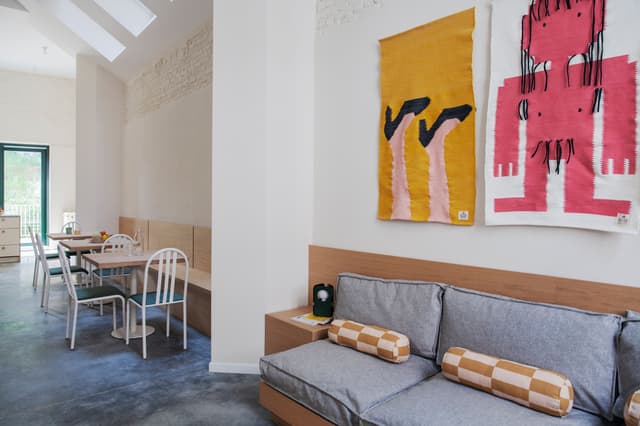
In thoughtfully designed homes like Neybor’s — where essentials are included, cleaning is handled, and spaces invite connection — you spend less time managing logistics, and more time living.
Because home isn’t a place.
It’s a feeling.

You might also love

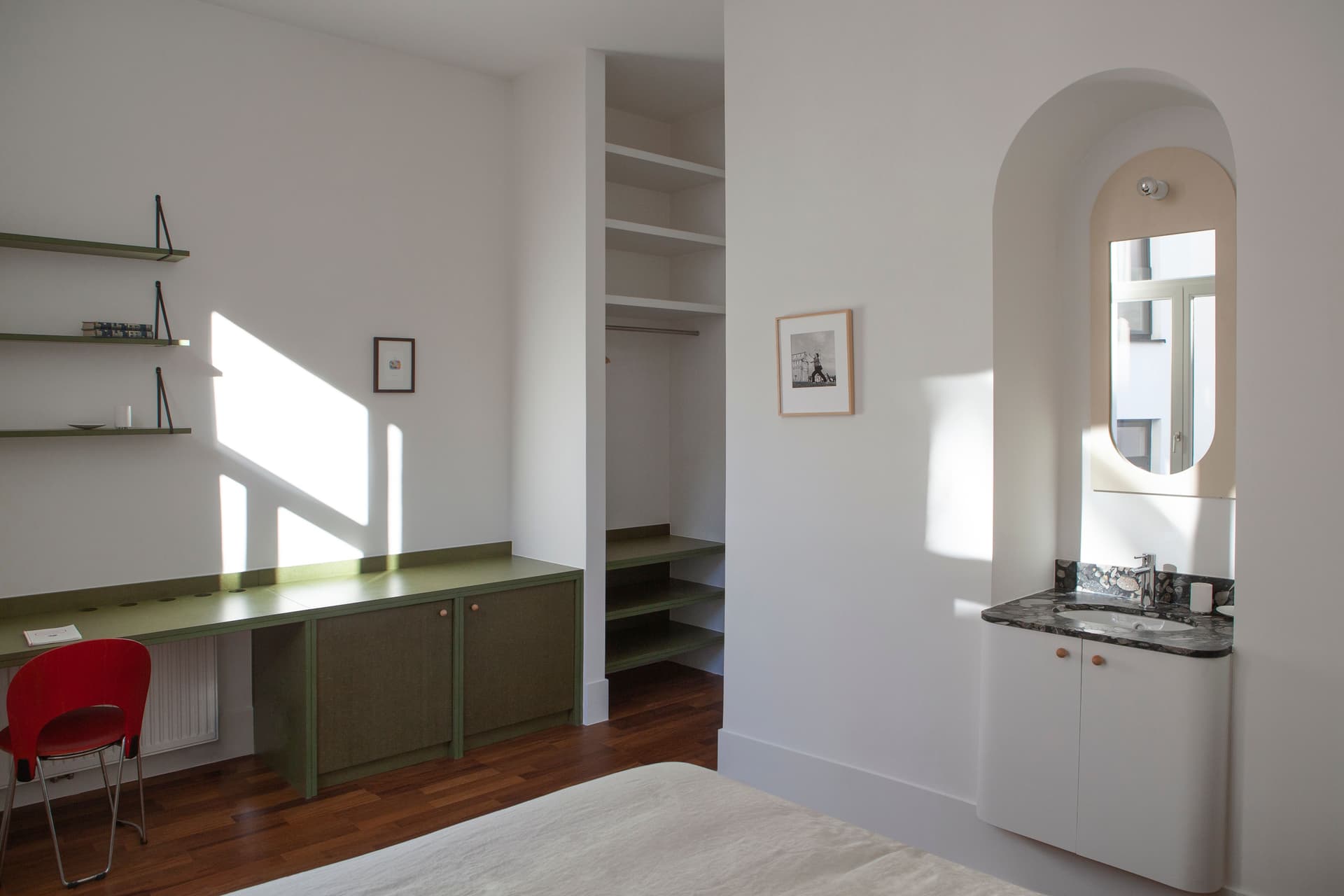
Living alone in Brussels has long been seen as the natural next step into adulthood. A private apartment, a separate lease, your own routine. But over the last decade, the city has changed — and so have the expectations of those who live in it. Rising rental prices, smaller apartments, international mobility and new ways of working have pushed many residents to rethink what living well actually means. In this context, coliving in Brussels is no longer a trend — it is a logical evolution of urban housing. At Neybor, coliving is approached as a design-led, human-scale answer to the realities of city life: shared where it makes sense, private where it matters, and always rooted in the neighborhoods that shape Brussels.
Read more