BLOGBAZAR
Sick in Brussels, Now What? How Belgian Healthcare Really Works

It always happens in the second week: a sore throat, and the question every newcomer asks the kitchen
table, “how does the doctor thing work here?” Belgian healthcare is among the most accessible in
Europe. Here is how to register, choose a mutuelle, find a GP and get reimbursed, so that once it’s set
up, you’ll barely think about it.
The backbone: INAMI and your mutuelle
Belgium runs on compulsory health insurance. Employers and employees pay social-security
contributions; the national institute INAMI (RIZIV in Dutch) sets the rules and the official fees. Day to
day, you deal with a mutuelle (ziekenfonds): a non-profit health fund that reimburses your care.
You choose your own. The main families are the Christian mutualities (Mutualité chrétienne), the
socialist ones (Solidaris), the independent mutualities (such as Partenamut and Helan), the liberal and
neutral mutualities, and the public option, CAAMI/HZIV. Compulsory cover is identical everywhere;
what differs is the supplementary package: dental, glasses, psychological support, sport or bike
allowances, and the language and digital services on offer.
Neybor Housemate Tip: Ask your housemates which mutuelle they use and how its app works. Five
minutes of kitchen-table research beats an hour of comparison sites.
Step by step: getting covered
- Register at your commune within eight working days of arrival. Domiciliation at your Neybor
address is allowed and encouraged; your lease is the document the commune will ask for (our
first-week checklist walks you through it). Registration gives you your national register number.
- Join a mutuelle with your ID, your employment contract or proof of status, and your commune
registration.
- Receive your essentials: your Belgian ID card (or an ISI+ card for those without one) and a sheet of
vignettes, the stickers still used for some paper claims.
Neybor Housemate Tip: Book the commune appointment in your first week. Belgian administration
rewards the early.
Doctors, specialists and pharmacies
• Your GP (médecin généraliste / huisarts): open a global medical file (DMG / GMD) with one GP. It
lowers what you pay for GP visits.
• Specialists: in most cases you can book directly, without a referral, through booking platforms or the
clinic.
• Conventionné or not: a conventionné doctor applies the official INAMI fees; a non conventionné
one may charge more, and the difference is yours to pay. Ask when you book.
• Prescriptions are electronic. The pharmacist retrieves them with your ID card and applies your
reimbursement at the counter.
Hospital stays and extra cover
Compulsory insurance covers a lot, but not everything. In a private room, hospitals can charge fee
supplements that quickly add up. That's what hospitalisation insurance is for: offered by mutuelles
(Hospitalia at the Mutualité chrétienne, for example) and by private insurers such as DKV, AG
Insurance or Alan. Check first whether your employer already provides a group policy; many
international employers do.
Quick answers
• Covered before commune registration? EU citizens can rely on their European Health Insurance
Card for necessary care during the transition. Others should arrange temporary private cover until
registered.
• English-speaking doctors? Very common, especially in Ixelles, Saint-Gilles and around the
European Quarter. Booking platforms let you filter by language.
• Therapy? Psychologists working within the INAMI first-line network charge a reduced fee per
session, and many mutuelles add their own allowance. Ask your mutuelle for current amounts.
This guide is general information, not medical or legal advice. Rules and amounts change; your
mutuelle and inami.fgov.be have the final word.
A home that makes the paperwork lighter
At Neybor, your address is ready on day one, so the commune, the mutuelle and the rest can follow
quickly. Your private room, with its proper desk, is a good place to recover from a cold; the shared
kitchen is where someone will inevitably make you soup.
You might also love


In Brussels, the newcomers who book their commune appointment in week one settle in fastest. This checklist gives you one task a day: registration, SIM card, bank account, health insurance, transport card and, on day seven, your new neighbourhood.
Read more
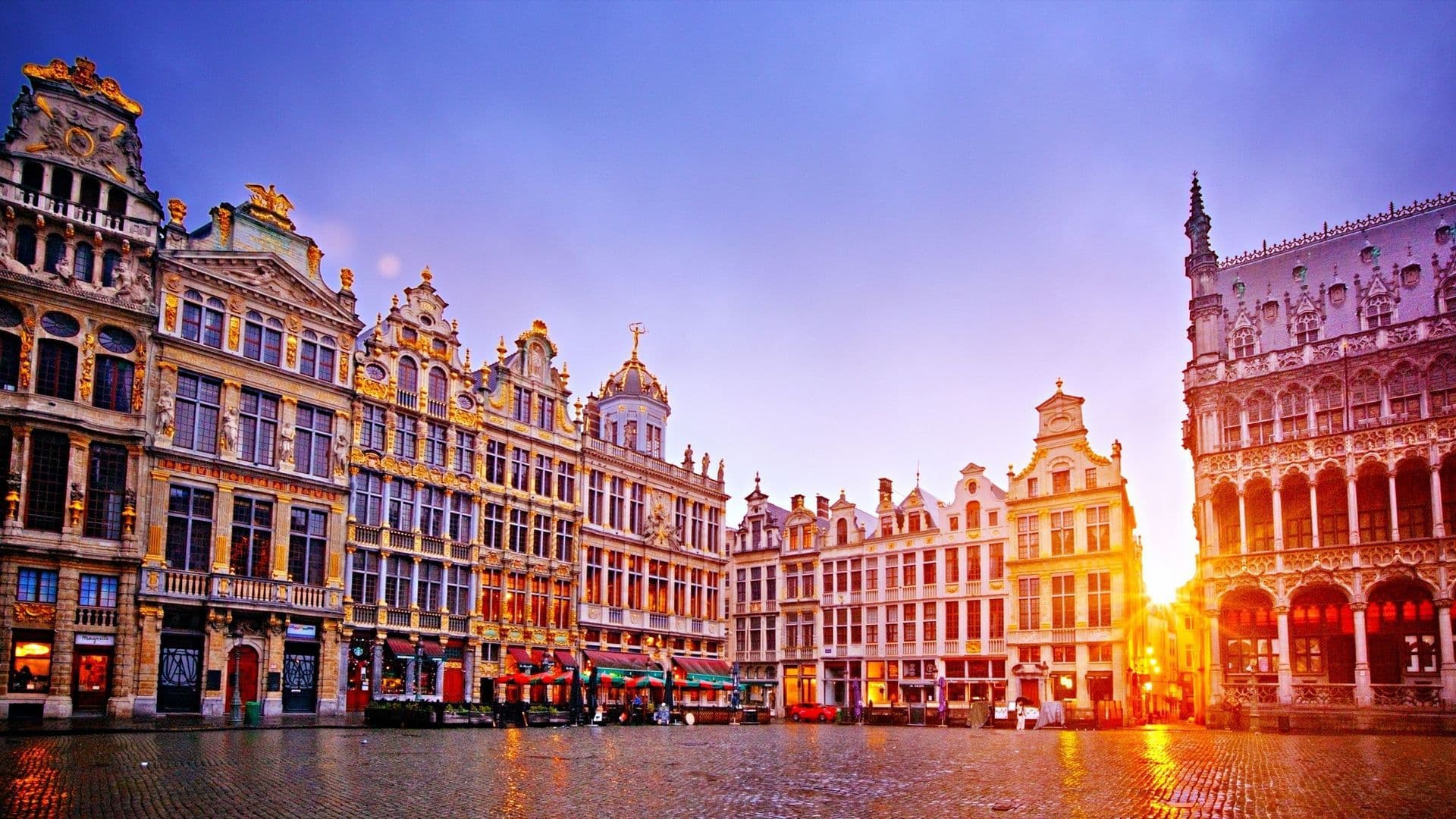
Sorting your waste in Brussels can sometimes feel like solving a complex puzzle. Between the rainbow of bag colors, the mandatory rules, and collection schedules that change from one street to the next, it is easy to get a bit lost. However, recycling isn't just about being a good citizen, it’s a legal requirement in the Brussels-Capital Region. The goal? Maximize recycling, reduce incineration, and lower our overall environmental footprint. To make your life easier at Neybor, we’ve put together the definitive guide based on the official guidelines from Bruxelles-Propreté.
Read more