BLOGBAZAR
Guide to Waste Sorting in Brussels
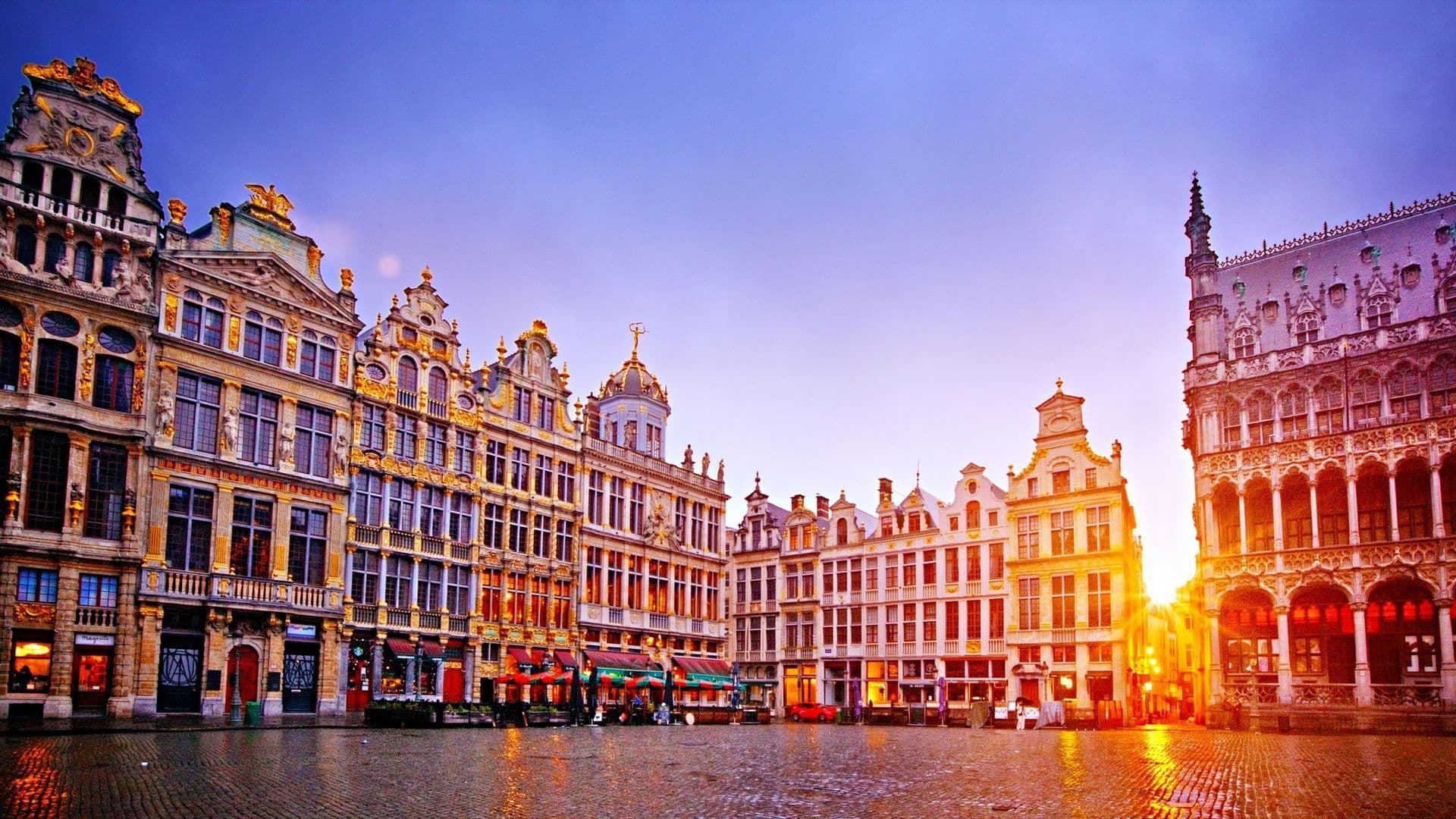
Sorting your waste in Brussels can sometimes feel like solving a complex puzzle. Between the rainbow of bag colors, the mandatory rules, and collection schedules that change from one street to the next, it is easy to get a bit lost.
However, recycling isn't just about being a good citizen, it’s a legal requirement in the Brussels-Capital Region. The goal? Maximize recycling, reduce incineration, and lower our overall environmental footprint.
To make your life easier at Neybor, we’ve put together the definitive guide based on the official guidelines from Bruxelles-Propreté.
What Goes Where?
In Brussels, waste management relies on a strict color-coded system. Here is how to get it right every time:
The Blue Bag (PMC)
This is exclusively for packaging.
What goes in: Plastic bottles and flasks, metal cans, tin cans, and juice or milk cartons.
Pro tip: All packaging must be completely empty. Remember, only packaging is allowed, no actual plastic objects (like an old toy or a toothbrush).
The Yellow Bag (Paper & Cardboard)
What goes in: Newspapers, magazines, flyers, sheets of paper, and envelopes.
Pro tip: Cardboard must be clean and flattened. That greasy pizza box? That’s a no! It contaminates the rest of the bag.
The Orange Bag (Food Waste)
Since 2023, this has been a strict rule: no food scraps allowed in the white bag.
What goes in: Fruit and vegetable peelings, meal leftovers, coffee grounds, tea bags, as well as used paper tissues and paper towels.
The White Bag (Residual Waste)
This is the "catch-all" bag for anything that absolutely cannot be recycled.
What goes in: Broken items, vacuum cleaner dust, pet litter, or non-recyclable packaging.
The Green Bag (Garden Waste)
For those lucky enough to have an outdoor space or garden.
What goes in: Dead leaves, lawn mowings, and small branches.
What About Glass?
Glass never goes into the trash bags! It must be dropped off at the local glass bins (bulles à verre). Use the white bins for clear glass and the colored bins for colored glass.
👉 Find the closest glass bin to your house here.
Ixelles, Saint-Gilles, Schaerbeek... Are There Local Differences?
The good news is that the sorting rules are exactly the same across all 19 communes of Brussels. Whether you live right by Place Flagey or near the Schaerbeek train station, you will use the exact same bags because everything is managed regionally by Bruxelles-Propreté.
However, keep an eye out for these two local variables:
Collection Days: Collection schedules vary from street to street. Putting your bags out on the wrong day can result in a local municipal fine.
👉 Check your specific street collection calendar here.
Recyparks: For bulky items (old furniture, electronics), each municipality depends on a specific recycling park.
Common Mistakes to Avoid
Even with the best intentions, mistakes happen. Here are the most frequent slip-ups flagged by Bruxelles-Propreté:
The "Sculpture" Bag: Forcing large plastic objects into the blue bag. Only packaging is accepted!
The Dirty Bag: Forgetting to empty or rinse out food cans.
The Color Mix-up: Tossing organic waste (orange) into the general waste (white).
The risk? If your bag contains too many sorting errors, collectors will leave a red refusal sticker on it. Your bag will stay on the pavement, and you could face a municipal fine.
Pro Tip: Download the "Recycle!" App
If you only remember one thing from this guide, let it be this: download the Recycle! app.
It is the ultimate tool to:
- Get a notification the evening before to remind you to put your bags out.
- Look up exactly where a specific item should go if you are in doubt.
- Locate nearby sorting points (glass bins, used oil collection, etc.).
Still unsure about a sorting rule in your Neybor coliving space? Don’t hesitate to ask your House Manager or check out the sorting posters displayed in the common areas!
You might also love

Moving to Belgium is an exciting milestone, but it does come with a few inevitable administrative boxes to tick. Among them, opening a local bank account is a top priority. Whether it’s for paying rent, receiving your salary, or simply managing daily expenses, having a Belgian account makes life significantly easier. While it isn't strictly mandatory from a legal standpoint if you already hold an account within the SEPA zone, it is highly recommended (and often indispensable) to ensure a smooth transition into your new life.
Read more
Welcome home! We know those first few days can be a whirlwind of moving boxes and new routines. However, a successful arrival in Brussels is mostly a matter of mindset: it’s about planning ahead so you can enjoy the city sooner. Digital and physical organization in your first few hours is the key to mastering your move. Even before you unpack your first box, turning your smartphone into a true digital survival kit will help you go from "newcomer" to "local" in just a few clicks. Here are the essential tools to help you settle in with peace of mind.
Read more